
Herbal infusions look simple from the outside: a jar of dried leaves and flowers, a promise of calm or energy in a cup. But behind each infusion is a whole journey—from mountain soil and wild herbs to careful harvesting and slow drying, all the way to your kettle at home.
At Himalayan Haat, that journey begins on and around our small forest farm in Pauri Garhwal, Uttarakhand. Our herbal infusions are made in small batches, with naturally grown or wild-harvested herbs, bottled on the farm, and crafted without artificial colours, flavours or preservatives. This is what “from flower to cup” really looks like for us.
Where Our Herbs Come From
Most of the herbs in our teas are grown on our jungle farm or foraged from the surrounding forests.

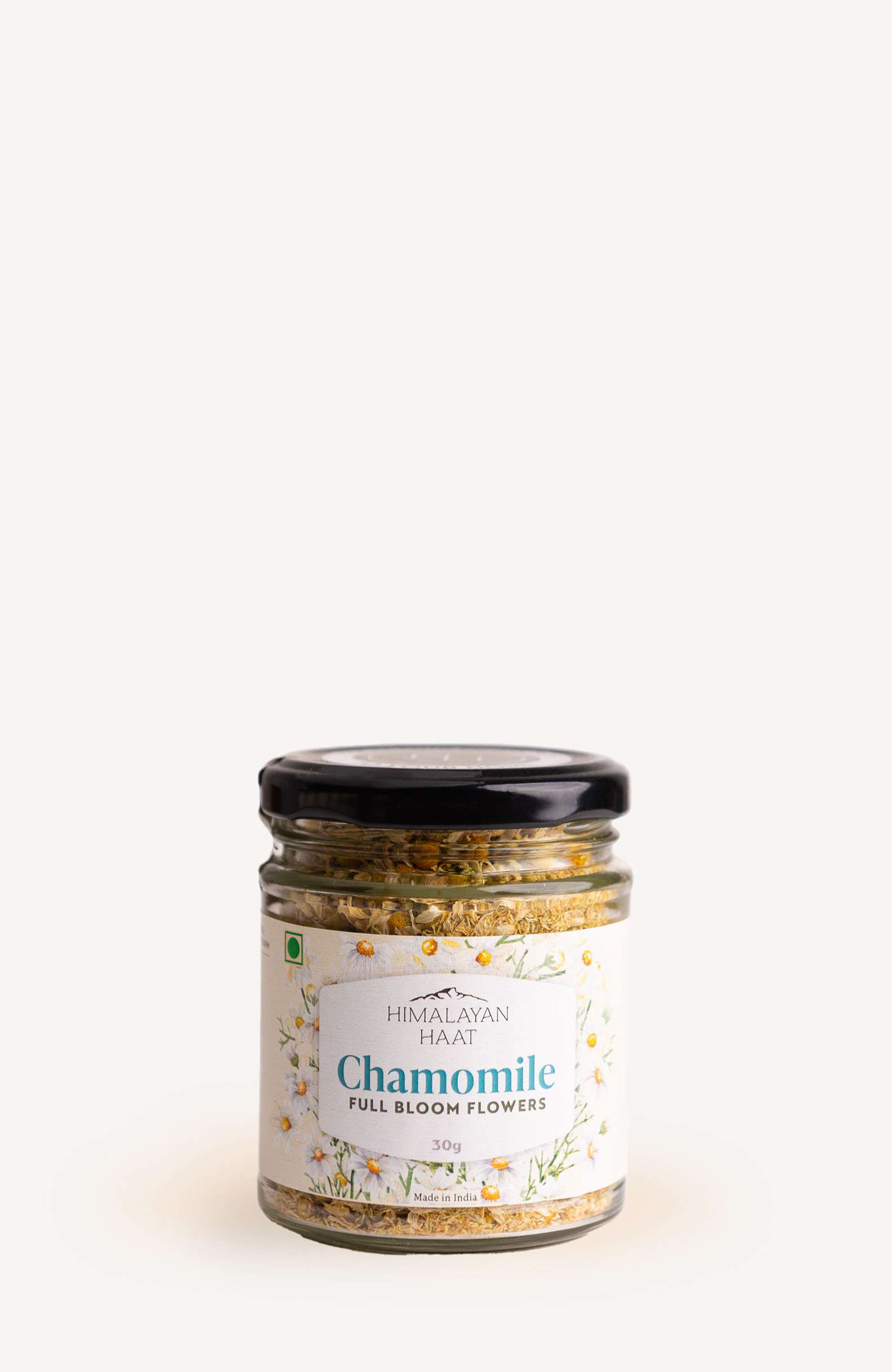
- Chamomile – full-bloom flowers grown and handpicked on our Himalayan farm, then bottled on-site.
- Peppermint, Rosemary & Lemongrass – single-origin herbs grown naturally and harvested at their aromatic peak for bright, refreshing flavour.
- Stinging nettle (bichu ghas / kandali) – a wild herb that grows in the mountains of Uttarakhand, collected carefully because of its stinging hairs.
Harvesting Herbs at Their Peak
Herbs have “magic moments” when they are at their most powerful and fragrant. We try to catch those windows as precisely as we can.
- Chamomile flowers are picked at full bloom, when their aroma and gentle benefits are at their highest.
- Nettle leaves are hand-picked at the peak of their natural cycle to preserve nutrients and intensity.
- Peppermint and lemongrass are cut when their oils are at their peak, so they carry their bright, clean taste into your cup.
Sometimes this means early morning harvests. Sometimes it means waiting for a dry, clear day so flowers and leaves aren’t waterlogged. In every case, timing affects how your tea smells and tastes.
Drying: Slow, Gentle and Natural
Drying is where herbs quietly lose or keep their character. Too much heat and you burn off delicate oils. Too little care and you get uneven drying or a faint, flat tea.
We use slow, natural drying methods:
- Shade drying: Chamomile and other delicate flowers are shade-dried, not blasted with high heat, so they retain their aroma and natural goodness.
- Natural air drying: Nettle leaves are dried naturally to create an intensely aromatic, nutrient-rich tea base.
- Low intervention: Our aim is simple—reduce moisture safely, preserve flavour and scent, and avoid adding anything artificial.
Once dried, herbs are stored airtight until they are blended and bottled, so they reach you in their best possible state.
How We Blend Our Herbal Teas
Every infusion is designed to do two things: taste good and feel helpful.

We keep blends simple and purposeful, grouped broadly into three families:
1. Calming & Sleep-Supporting Teas: These are your gentle evening companions.
- Chamomile Flowers Tea – a single-ingredient infusion made from full-bloom chamomile flowers for those who want a pure, soothing brew.
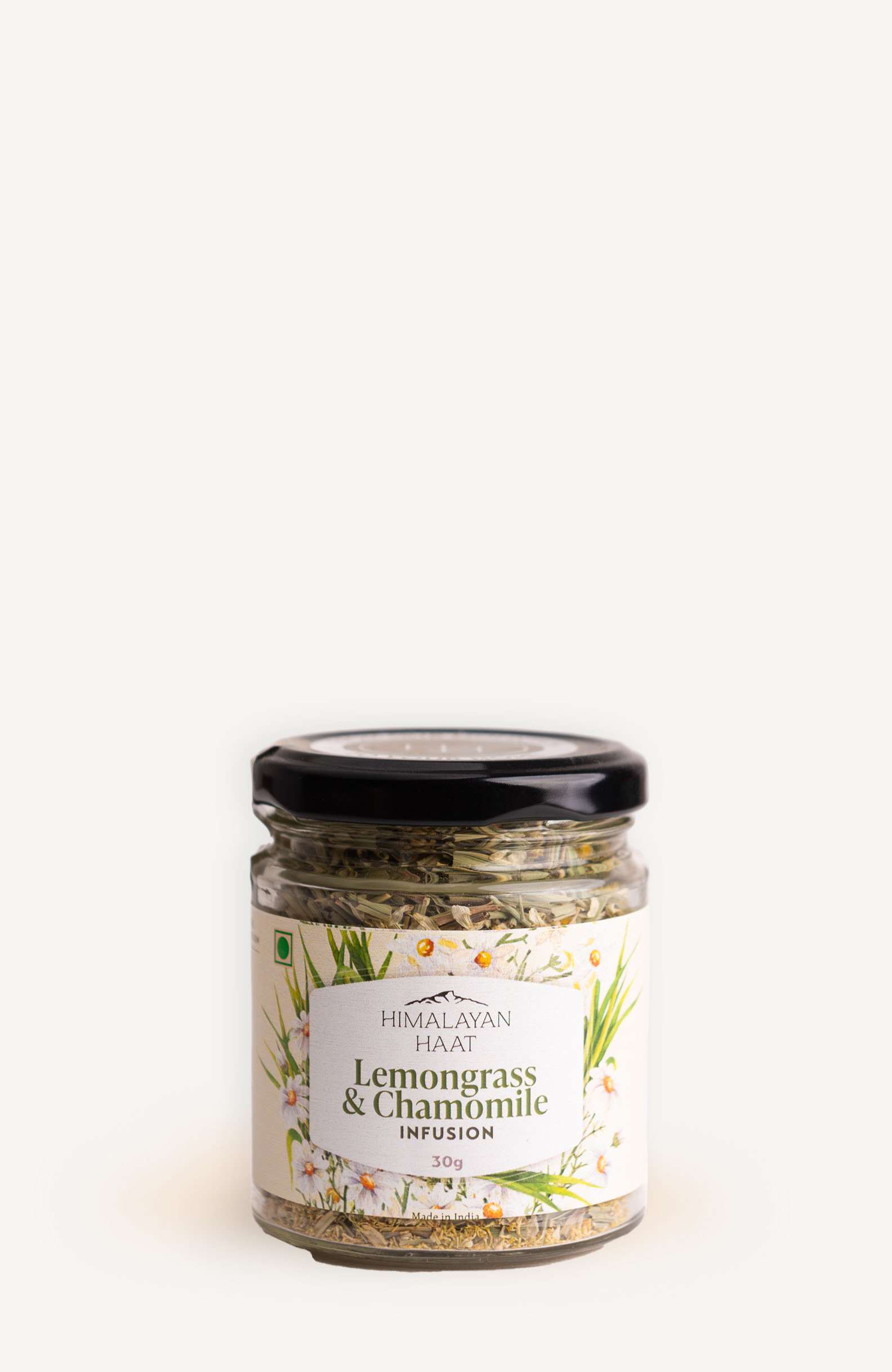
- Lemongrass & Chamomile Infusion – bright citrus notes from lemongrass paired with the calm of chamomile, for unwinding, immunity support and digestion.
These teas are for slow nights, book-in-hand evenings, and the little rituals that help you settle.
2. Digestive & Refreshing Teas: These are your daytime and “after-meal” friends.
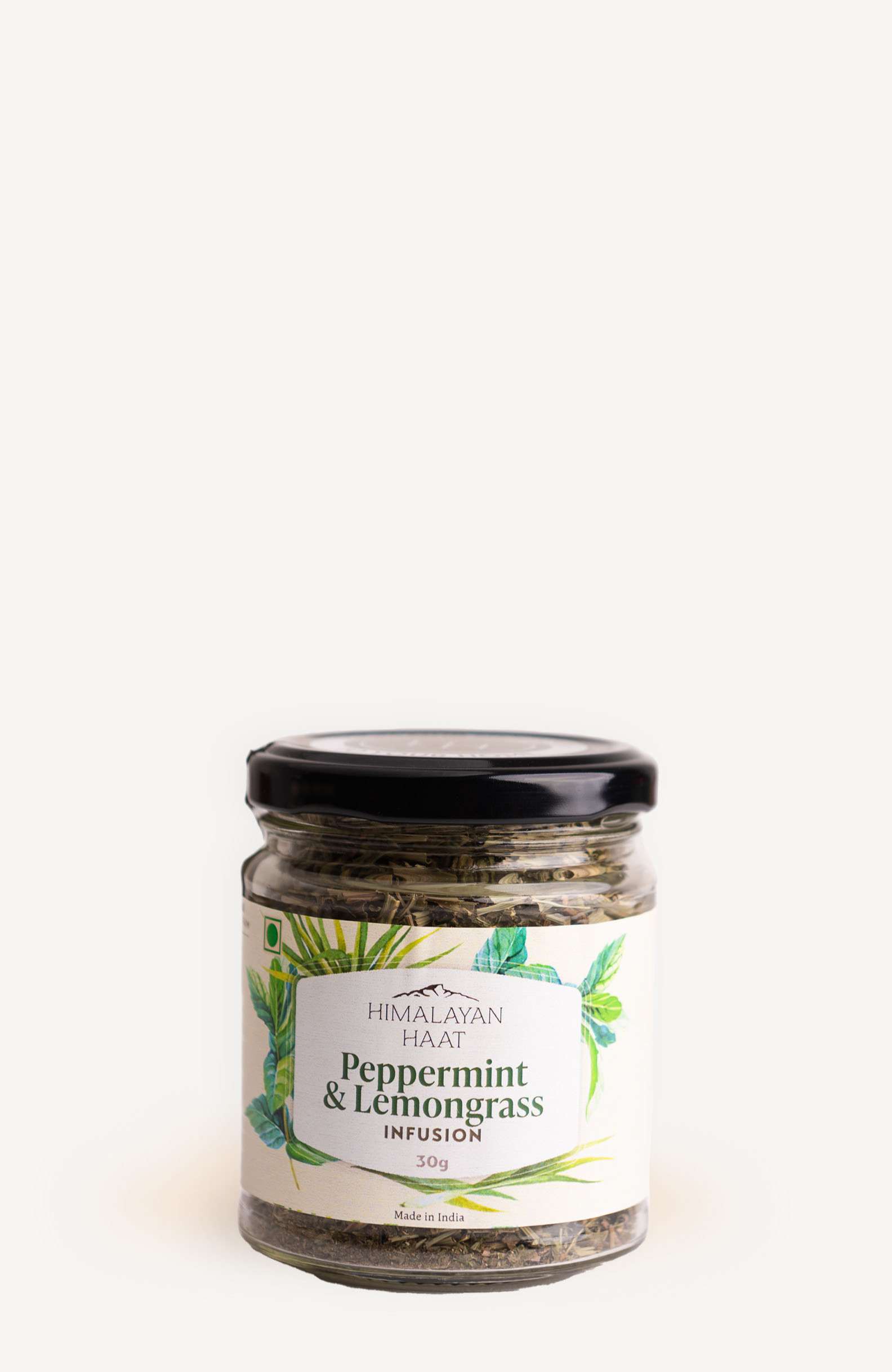
- Peppermint & Lemongrass Infusion – a healing blend rich in antioxidants that supports metabolism, fights cold and flu, and helps ease stomach discomfort.
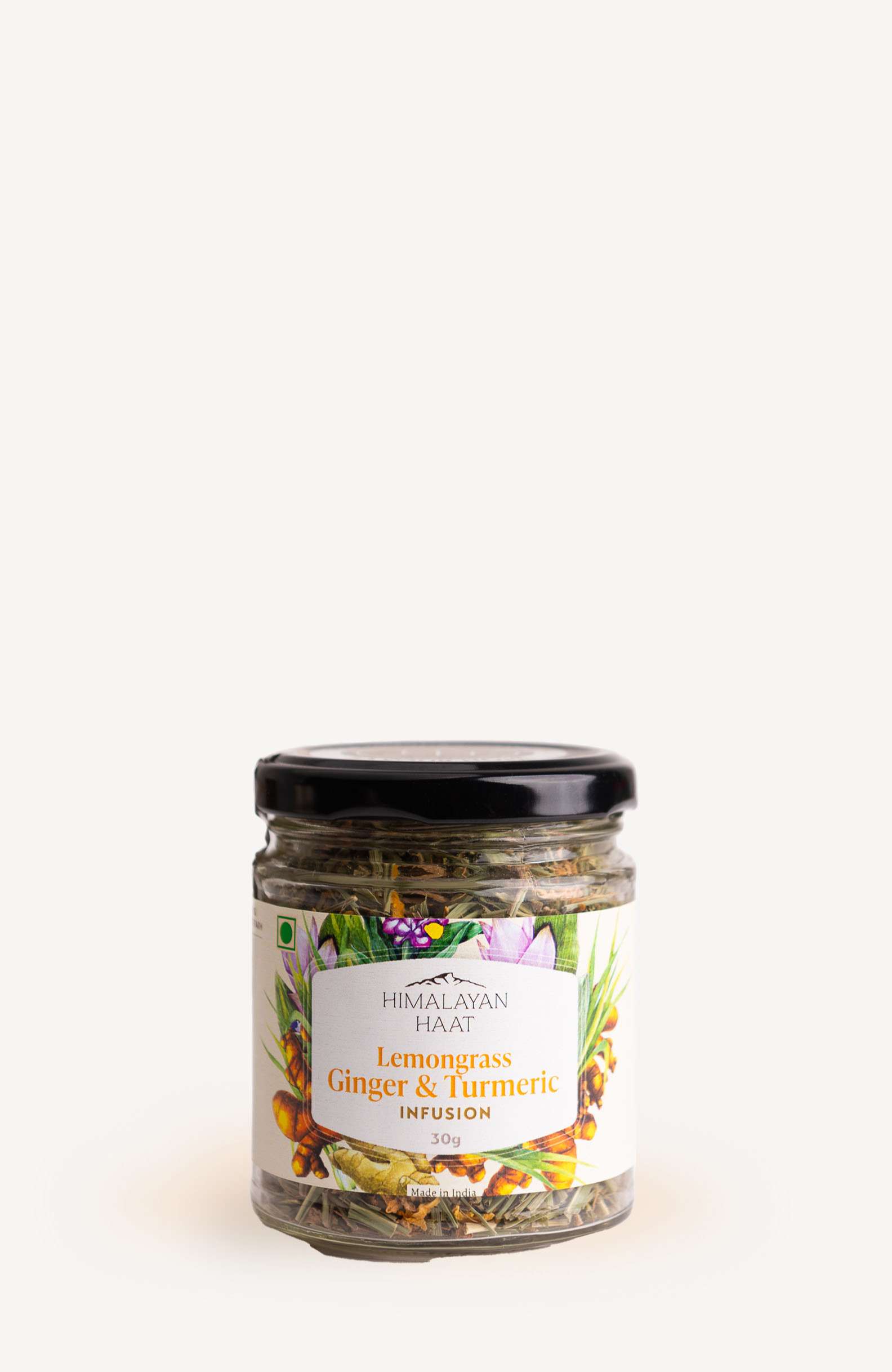
- Lemongrass, Ginger & Turmeric – an anti-inflammatory blend that is rich in antioxidants, promotes digestion, boosts immunity and fights pain.
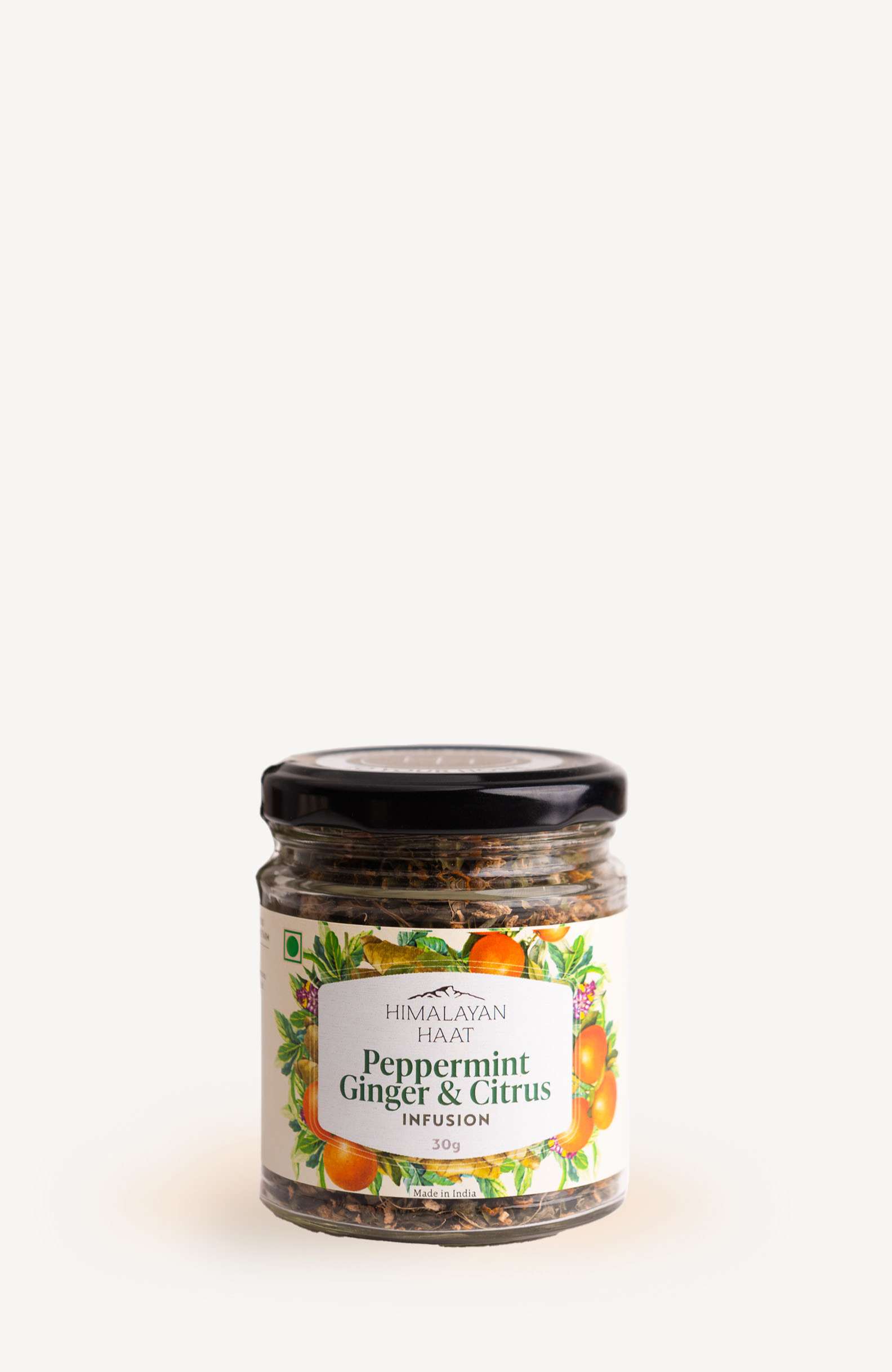
- Peppermint Ginger & Citrus – an uplifting blend supports digestive, immune, and respiratory health while promoting relaxation and stress relief.
If you love feeling clear-headed and light after a meal, or want something brighter than a heavy drink in the afternoon, this family is for you.
3. Detox & Everyday Wellness Teas: These are for deeper, everyday support.
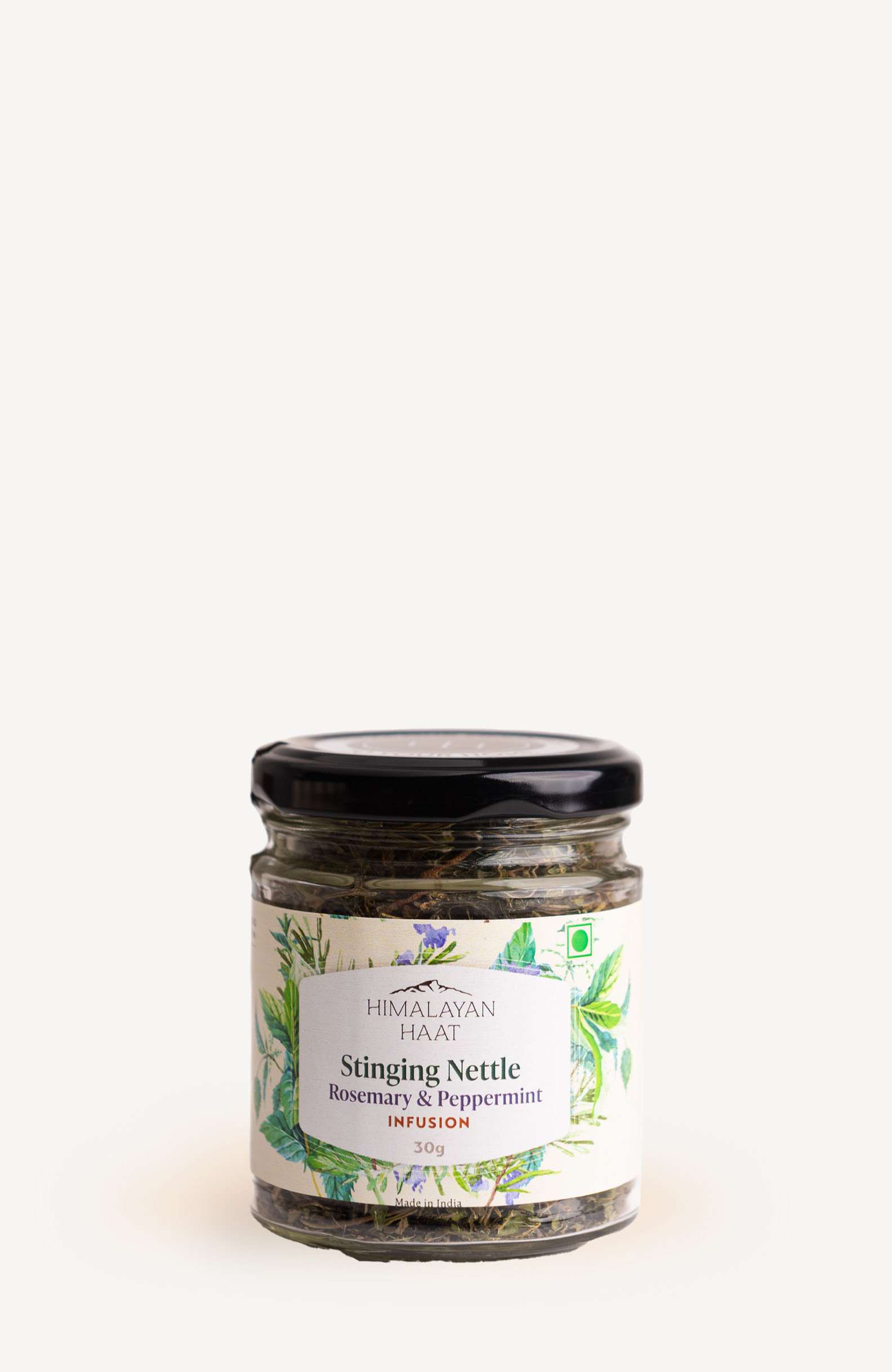
- Nettle Rosemary & Peppermint Infusion – stinging nettle for minerals and detox, rosemary for focus, peppermint for digestion and aroma, together forming a calming, wellness-focused herbal tea.
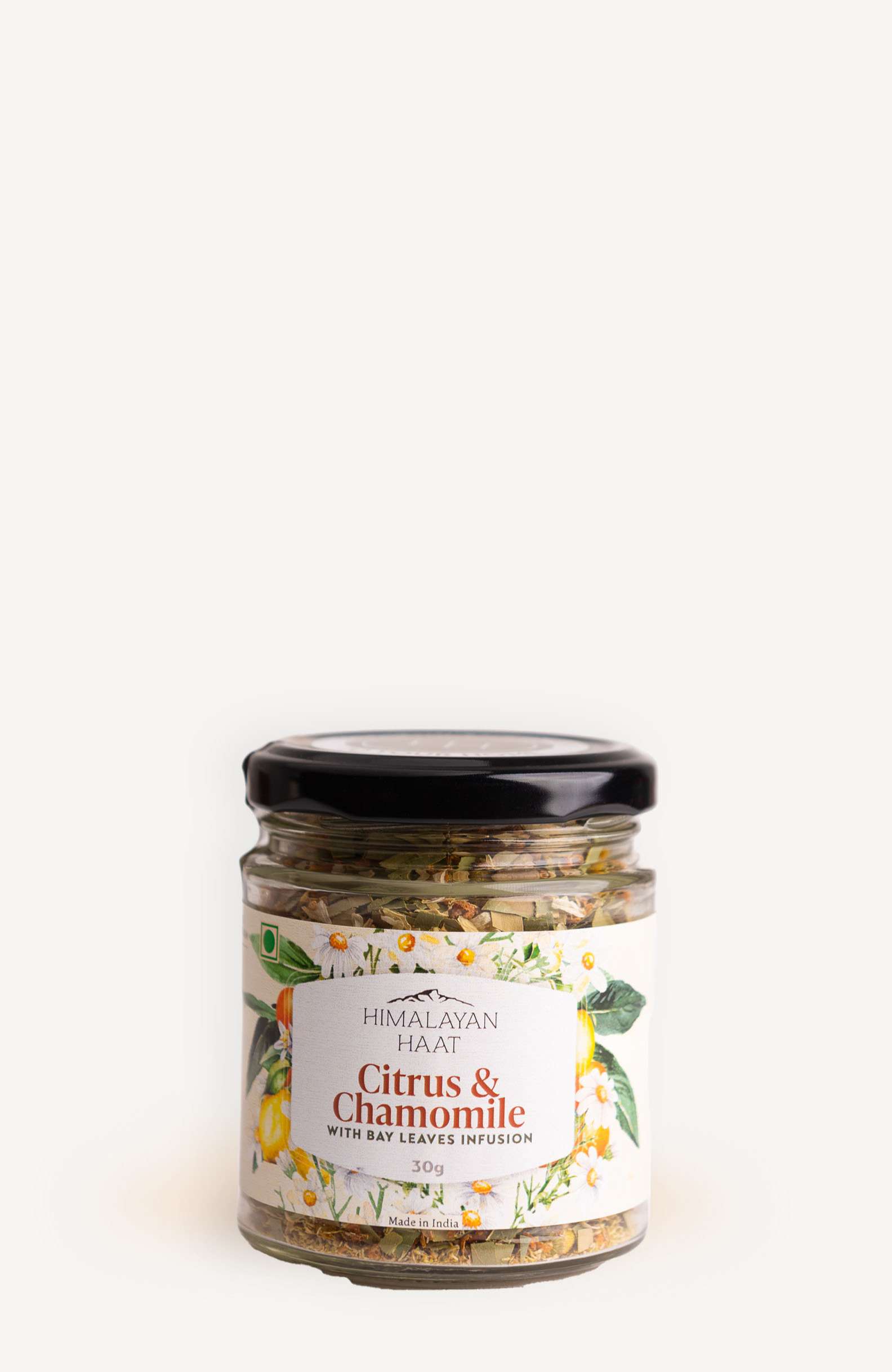
- Citrus, Chamomile and Bay Leaves Infusion – chamomile's flavonoids, tejpatta’s digestive and anti-inflammatory actions, and antioxidant‑rich orange peel polyphenols work together to provide circulation‑supporting and immune‑protective benefits
These infusions are for people who like the idea of “nourishing from the inside” with herbs traditionally used for joints, kidneys, immune support and overall balance.
We don’t overload our jars with too many ingredients. A few well-chosen herbs, grown and dried well, often do more than a long list that looks impressive but doesn’t taste balanced.
What Shapes Flavour and Aroma
Herbs are sensitive and responsive.
A handful of things quietly shape what you experience when you open a jar and brew a cup:
- Growing conditions: Mountain soil, forest surroundings, rain and sun all influence the intensity and character of each herb.
- Harvest timing: Full bloom versus early bud, early season versus late season—these change how the herb presents in your cup.
- Drying method: Gentle shade drying and natural drying help retain aroma; harsh heat can flatten scent and flavour.
- Storage: Airtight containers and protection from direct light are essential. Even excellent herbs can lose their charm if stored carelessly.
- Brewing: How much herb you use, how hot the water is, how long you steep, and whether you cover your cup all affect the final taste.
Herbs are living things, even when dried. They respond directly to how you treat them.
How to Use Our Herbal Teas
Each jar comes with brewing directions, but the basics are always similar:
- Add about 1 teaspoon of herbs per cup (around 200 ml).
- Pour boiling water over the herbs.
- Cover and steep for 5–7 minutes to let flavours and aroma infuse fully.
- Strain and sip, plain or with a touch of honey if you like.
You can:
- Sip chamomile or chamomile-based blends in the evening as part of a wind-down routine.
- Keep peppermint and lemongrass blends for daytime alertness, digestion support and a fresh, clean cup.
- Turn nettle- and citrus- based infusions into a regular wellness ritual, especially if you enjoy nutrient-dense, herb-forward teas.
For iced versions, brew as usual, cool, then pour over ice.
Here is a helpful guide on how to brew herbal tea correctly
If you’re pregnant, breastfeeding or on medication, it’s always wise to check with your doctor before making any herbal tea part of your daily routine.
Want to Go Deeper Into Benefits?
We’ve written more detailed guides on specific herbal teas and ingredients, including:
- Chamomile benefits and brewing ideas.
- Peppermint’s everyday uses for digestion, congestion, and clarity.
- Nettle’s traditional roles in joint, kidney and immune support.
You’ll also find ingredient details and directions on every product page, so you can choose based on what your body and routine need most.himalayanhaat+4
From Our Mountain to Your Cup
For us, herbal tea is one of the most direct ways we can share our forest farm, our women’s work, and our mountain herbs with you.
Each jar of chamomile, peppermint, nettle or lemongrass has travelled a very short physical distance—from plant to kitchen to bottle—and a much longer human journey: years of learning how to grow, harvest, dry and blend in a way that feels honest and gentle.
If you’d like to bring a little more of that flower-to-cup ritual into your home, you can explore our full range of herbal infusions on the herbs & herbal infusions section of our shop.