
Freshness in the air, brighter colours, thundering clouds and cracking lightning – that’s the beauty of monsoon. This season is all about enjoying the little luxuries in life – like some hot fried pakoras over a steaming cup of “adrak wali chai”. Oh, how we love it!
Why do we need to be extra cautious during monsoons?
According to various health experts, our immune system often dips during the monsoon, making us more vulnerable to colds, flu, and waterborne and viral infections. Thankfully, this gloomy cloud has a silver lining! While no single food can prevent illness, eating a varied diet rich in seasonal fruits, vegetables, herbs and whole foods can help support your immune system and overall health during the rainy season. There are lots of natural ways to support immunity and fight infections, and supercharge your immune system, and we’ve handpicked a few for you.
Food to include in this rainy season
1. Garlic
Garlic is a widely used, traditional way to help support immunity during this monsoon. Its natural antimicrobial and antioxidant compounds have long been valued in home remedies for colds and flu. Garlic has long been valued in traditional diets for supporting immunity and contains compounds that have been widely studied for their antimicrobial properties. You can add garlic in soups, curries, butter toast, pasta and salad dressings. Here are ten ways to include raw garlic in your diet daily.
2. Ginger
Let this root work its magic this monsoon. Ginger has traditionally been used to help soothe sore throats, ease congestion and support digestion during seasonal illnesses. It also combats cough and congestion as its expectorant properties loosen mucus and soothe lung tissues. Fresh ginger, shredded or chopped, can be consumed with honey or water to help ease symptoms of cold and flu.
3. Turmeric
Turmeric is one of the oldest known medicinal herbs. It is loaded with antifungal, antimicrobial, and antibacterial extracts which help fight all manner of infections and also contains curcumin, a natural compound studied for its antioxidant and anti-inflammatory properties. Consider increasing the amount of turmeric powder in your dishes, or enjoying turmeric tea or a glass of warm milk with half a teaspoon of turmeric powder once or twice a day, if it suits you.
4. Almonds

Are you nuts for these nuts? Almonds are a rich source of vitamin E, potassium, magnesium, folic acid and healthy fats. Eating this super nut every day will help keep your heart and digestive system healthy and support more stable sugar levels. Start your day by eating 6–8 soaked almonds every morning. Vitamin E plays an important role in supporting normal immune function.
5. Honey
Honey has long been used as a traditional remedy for coughs and sore throats and contains naturally occurring antioxidants and antimicrobial compounds. such as zinc, vitamins, and folic acid make it a “must-have” in monsoon. Honey is often used to help ease cold and flu symptoms, build up immunity and may help prevent stomach infections. Always choose good-quality honey and avoid giving honey to children under 1 year of age.
6. Jamun (and other monsoon fruits)
Let fruits fight the infections this monsoon. Jamun is the first fruit of the monsoon and is low in calories. It is packed with nutrients such as folate, potassium, iron and minerals. The antioxidants present in this fruit boost immunity and are essential for a healthy body and mind. Jamun is also known to purify the blood.

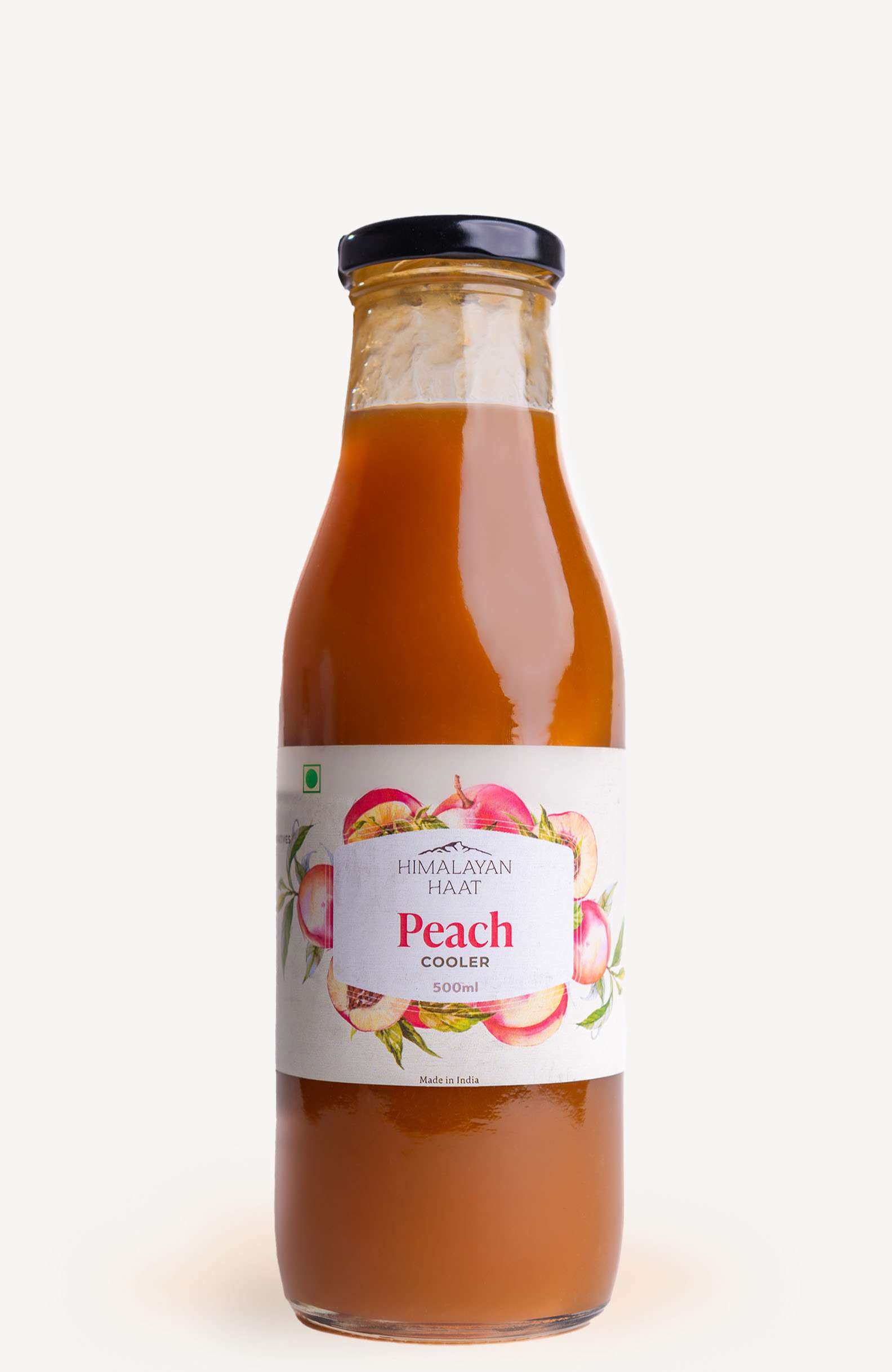
The other seasonal fruits to eat this monsoon are peaches and plums. Peaches are rich in vitamin C and zinc, and they help prevent waterborne diseases. Plums, from the same family, are loaded with vitamins A and C and antioxidants. These fruits can be consumed in various forms, such as squashes, jams, and jellies, and can also be used in desserts. At Himalayan Haat, we love using peaches and plums in our small-batch preserves and chutneys as a simple way to bring more seasonal fruit into everyday eating. Choosing seasonal fruit is often one of the easiest ways to eat fresher, more nutritious produce year-round.
7. Apple Cider Vinegar
This wonder drink is known for its many health benefits, especially for digestion and blood sugar support when used gently and in small amounts. It may help reduce mucus and support the lymphatic system. Try a teaspoon of raw, unfiltered organic apple cider vinegar, mixed with a spoonful of honey, in a glass of water. Drinking this once or twice a day, always well diluted, may help some people ease allergy symptoms and feel a little clearer. If you have diabetes, reflux or are on medication, speak to your doctor before using ACV daily. We've written a detailed guide on Apple Cider Vinegar: Myths vs Reality if you'd like to learn more.
8. The Three Gourds
Bottle gourd (lauki), bitter gourd (karela) and pointed gourd (parwal) are among the most nutritious vegetables to keep you hale and hearty this monsoon. These vegetables are rich in water, fibre and micronutrients, making them a nourishing addition to monsoon meals. Pick up the right vegetables this monsoon and include them in your daily diet to stay healthy. They are light, easy to digest and fit beautifully into everyday home cooking.
9. Sprouts
Sprouts are great year-round but you’ll do your immunity a real favour by including them in your diet regularly during this rainy season. It’s easy to make these at home – just soak some moong dal or kala chana overnight, drain the water the next morning and leave out. The lentils should start sprouting in a day or two. While they can be enjoyed raw, many people prefer lightly steaming or sautéing sprouts as this may reduce the risk of food-borne illness during the rainy season. They’re rich in plant protein, fibre and micronutrients, making them a simple, everyday way to support gut health and energy.
10. Herbal Teas & Infusions

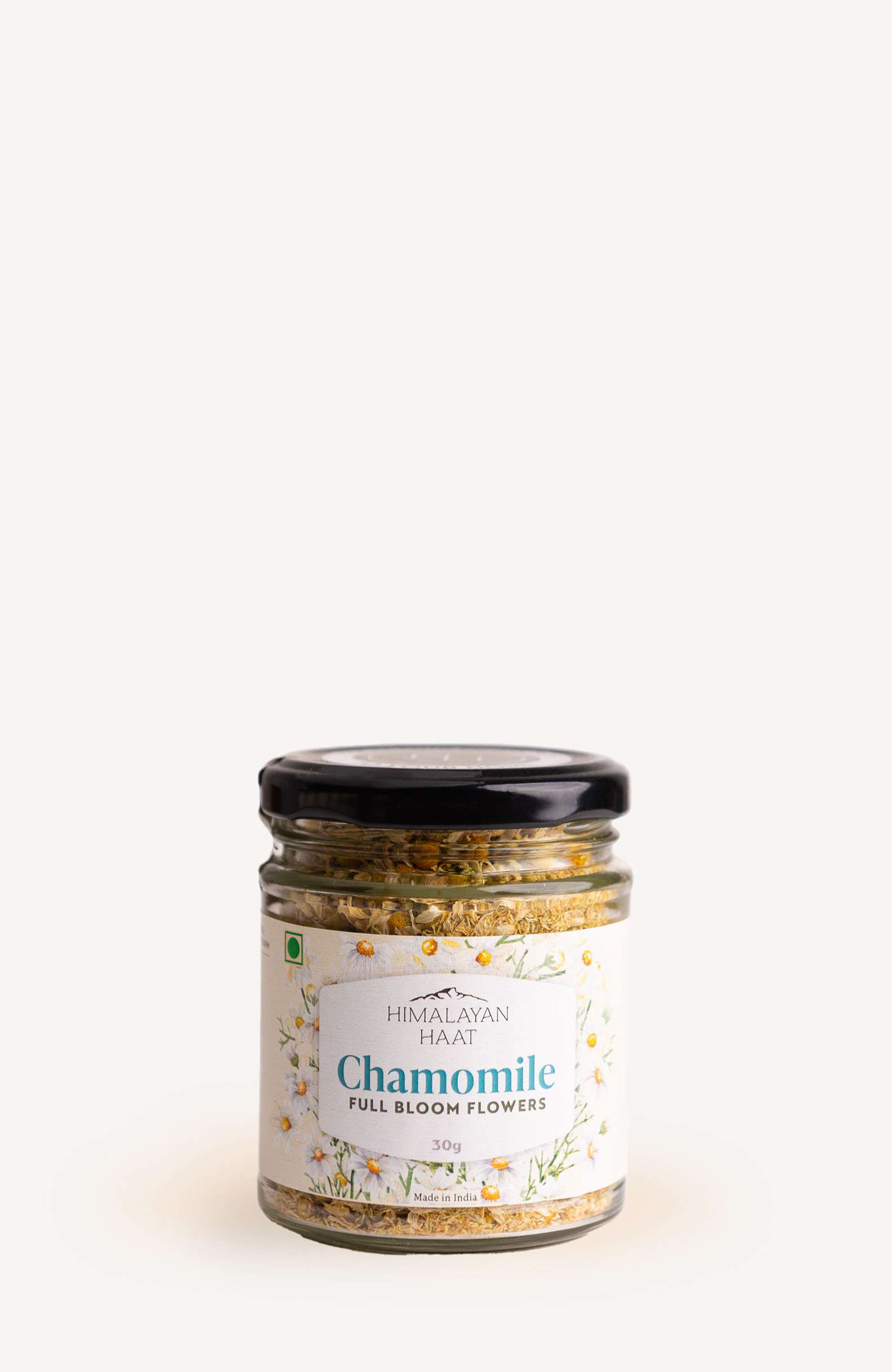
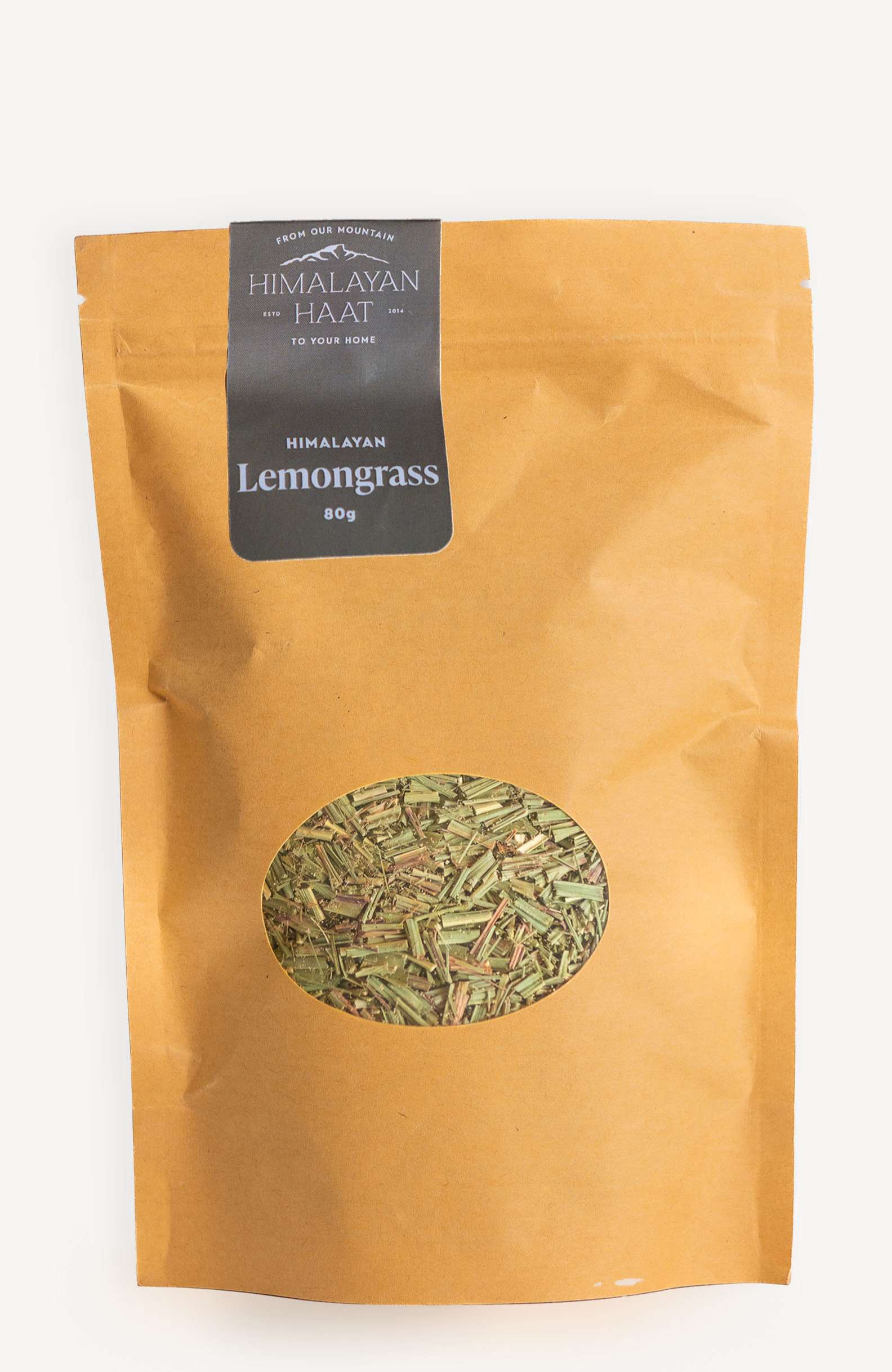
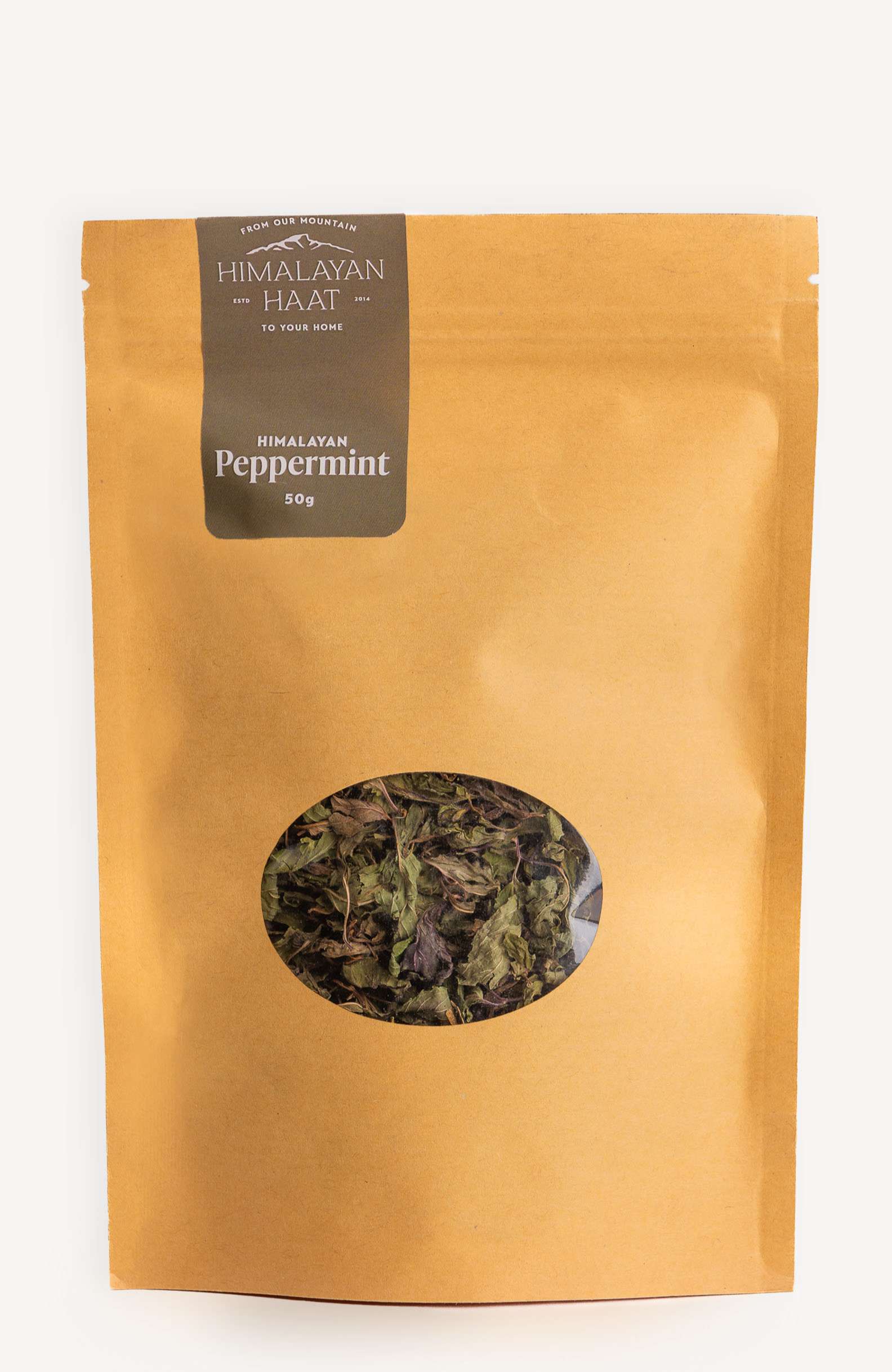
Last but not least, herbal tea is your true friend this monsoon. Rains are synonymous with teas. Ginger tea, chamomile tea, peppermint tea, tulsi tea, and lemongrass tea are some of the best herbal infusions to have this season. Herbal teas and infusions are an easy way to stay hydrated during the rainy season while enjoying herbs traditionally used to support digestion, and ease colds, coughs and other bacterial infections. Find out more about the goodness of these herbal teas here.
At Himalayan Haat, our herbal infusions are made from naturally grown Himalayan herbs, including chamomile, lemongrass, peppermint, rosemary and nettle. Whether you're looking for a calming evening tea, a refreshing after-meal infusion or an everyday herbal ritual, you'll find something to suit your routine. Chamomile to fight stress and give you a good night’s sleep; lemongrass to boost your immunity and relieve those cold and flu symptoms; peppermint to keep your stomach healthy and more!
Take your pick below:
BUY HIMALAYAN HAAT’S HERBAL INFUSIONS HERE
A gentle note:
If you have a medical condition, are on regular medication or have specific dietary needs, it’s always best to speak to your doctor before making any of these foods or drinks a daily habit — especially apple cider vinegar, raw sprouts and strong herbal remedies.
Other Monsoon Wellness Tips:
- Wash fruits and vegetables thoroughly.
- Drink clean, safe water.
- Eat freshly prepared meals.
- Avoid cut fruit sold on the roadside.
- Stay hydrated.
- Get enough sleep.