
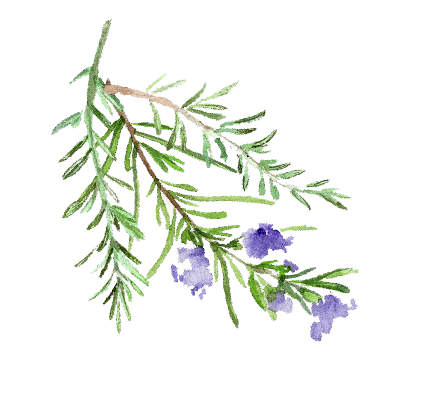
Most people know rosemary as the herb that makes roast potatoes and freshly baked bread smell incredible. But this fragrant evergreen has been valued for centuries for far more than its flavour. Here are 10 delicious ways you can use rosemary in the kitchen.
Traditionally used in both cooking and herbal wellness, rosemary contains naturally occurring antioxidants, aromatic oils and plant compounds that have made it one of the world's most loved herbs. Whether you enjoy it as a herbal tea, add it to everyday cooking or simply appreciate its distinctive aroma, rosemary is a simple herb that can become part of a healthy daily routine.
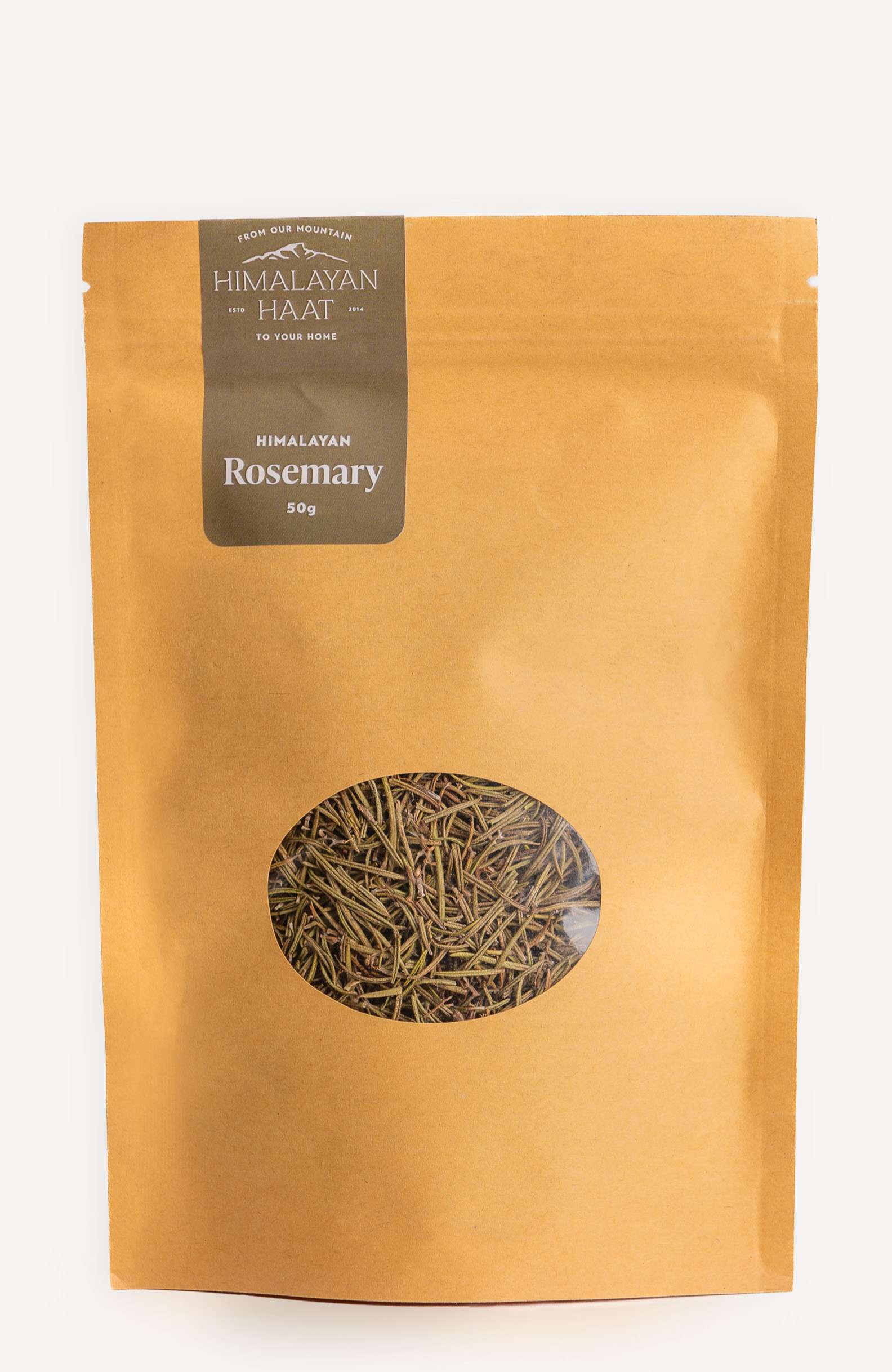
At Himalayan Haat, we grow rosemary naturally on our forest farm in Pauri Garhwal, Uttarakhand. Once harvested, it is gently dried to preserve its flavour and aroma before being bottled on the farm so what reaches you is as close as possible to the fresh sprigs on our hillside.
Here are ten ways rosemary may support your well-being.
1. A Natural Source of Vitamins and Minerals
Rosemary contains small amounts of naturally occurring minerals including iron, calcium, copper and magnesium, along with vitamins A, C and E and several B-complex vitamins. While it isn’t a major source of these nutrients on its own, using rosemary regularly is a simple way to add more plant goodness and flavour to your diet without relying on added salt or sugar.
2. Helps Support Your Immune System
Rosemary is naturally rich in antioxidants and anti-inflammatory plant compounds, which help protect cells from oxidative stress. It has also been traditionally valued for its antibacterial and antimicrobial properties, making it a popular herb in everyday wellness.
3. Support Healthy Blood Sugar Levels
Researchers have studied compounds found in rosemary for their potential role in supporting healthy blood sugar balance including insulin-like effects and better glucose uptake into cells. While rosemary isn't a substitute for medical treatment, enjoying it as part of a balanced lifestyle may offer supportive benefits.
4. Promotes Healthy Circulation
Healthy circulation is important for the entire body, from energy levels to heart health. Some studies suggest rosemary’s natural antioxidant and phytochemical compounds may help support blood flow and overall cardiovascular wellness. In everyday life, using rosemary in cooking or as a warm infusion is one simple way to enjoy herbs traditionally associated with circulation and vitality.
5. Supports Memory and Mental Focus
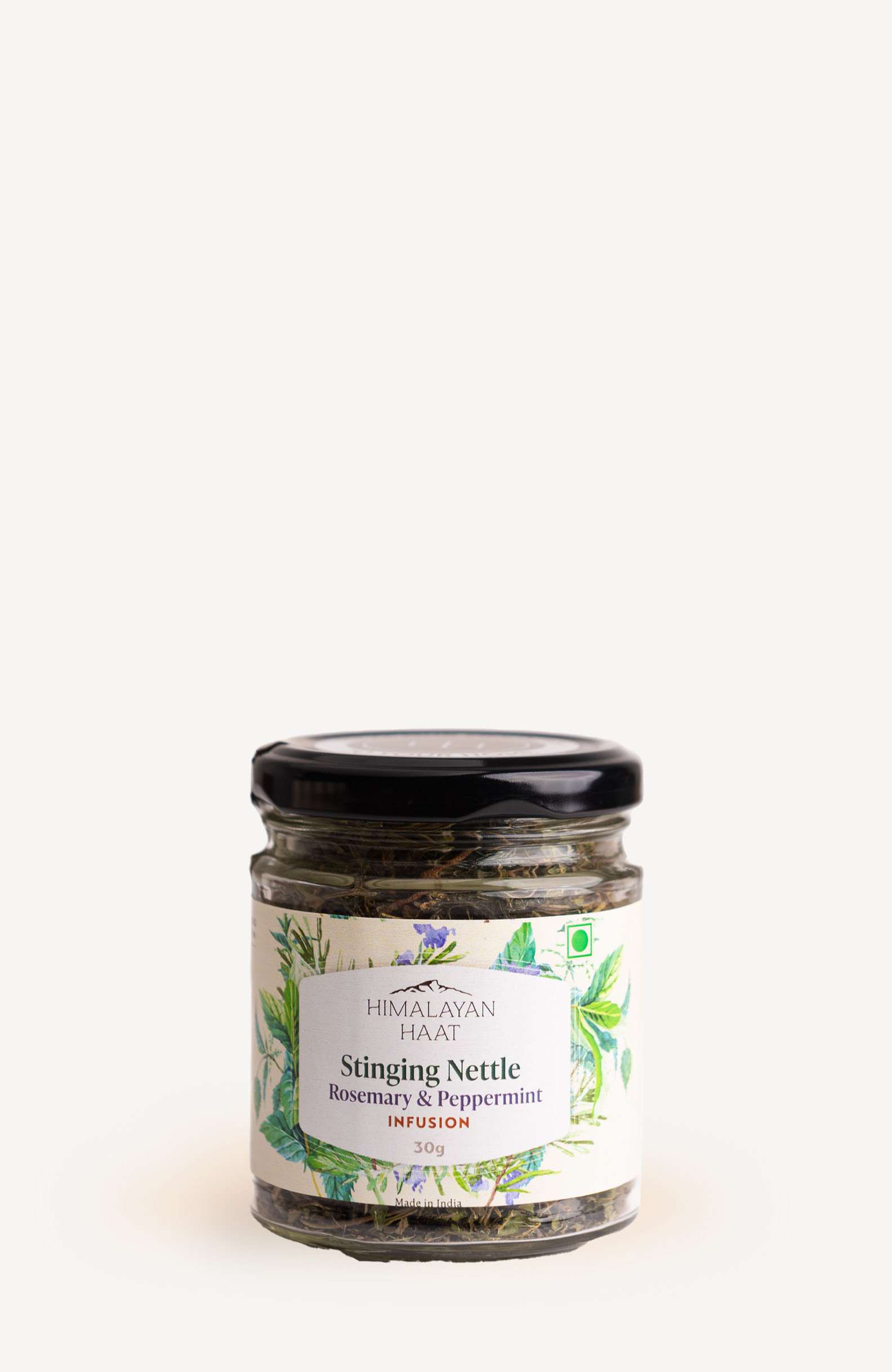
Rosemary has long been associated with memory and concentration and modern research is beginning to catch up with this traditional wisdom. Certain compounds in rosemary and its aroma are being studied for their potential to support cognitive function, with some early studies showing improvements in alertness and memory after consuming or inhaling rosemary, while many people simply enjoy rosemary tea or its scent when they need a little mental clarity during the day. A combination of rosemary with peppermint and nettle is an uplifting blend.
6. Helps You Feel Calmer
One of rosemary's most recognisable qualities is its fresh, uplifting aroma. It has been used for centuries in aromatherapy, where many people find its scent both calming and mentally refreshing during stressful days. Early research suggests that rosemary, whether sipped as a tea or used as a gentle scent in your environment, may help reduce feelings of stress and support a more balanced mood.
7. Supports Healthy Ageing
Rosemary contains carnosic acid and rosmarinic acid, plant compounds being studied for its antioxidant properties. This is one reason the herb continues to attract attention in research on healthy ageing, skin health and long‑term wellness, especially in combination with a nutrient‑rich diet and active lifestyle.
8. Aids Digestion
A warm cup of rosemary tea after a meal has long been used to support digestion. Many people enjoy it to help ease feelings of heaviness after eating and as part of a balanced digestive routine, and some modern research suggests it may stimulate bile flow and support the digestive process.
9. May Support Respiratory Comfort
Rosemary naturally contains cineole, an aromatic compound traditionally associated with respiratory comfort. A warm rosemary infusion, or even simply inhaling its steam, can feel particularly soothing during colder months or when you're feeling congested and has long been part of folk practices for easing seasonal discomfort.
10. Rich in Protective Plant Compounds
Perhaps rosemary's greatest strength lies in its impressive collection of natural plant compounds. Scientists continue to study rosemary for its antioxidant and anti‑inflammatory properties and its potential role in supporting long-term health and protecting cells from oxidative stress. From rosmarinic acid and carnosic acid to a wide range of phytochemicals, rosemary is a good example of how everyday herbs can offer more than just flavour.
Why Rosemary Has Been Loved for Centuries
Unlike many herbs that have one specific purpose, rosemary fits naturally into everyday life. It adds flavour to roasted vegetables, soups and breads, makes a wonderfully aromatic herbal tea, and has been valued in traditional herbal practices for generations.
Its versatility is one of the reasons it has remained a pantry and garden staple for centuries—and why we continue to grow it on our Himalayan farm today.
A Gentle Note
Rosemary may support everyday well-being, but it isn't a cure or a replacement for professional medical advice. If you are pregnant, breastfeeding, have underlying health conditions or taking medication, it's always best to speak with your healthcare provider before making herbal teas or supplements part of your regular routine. Rosemary is generally considered safe in culinary amounts, but concentrated forms and high doses can cause side effects, so moderation and guidance are important.
Try Himalayan Haat's single-origin rosemary from our mountain farm, shade-dried to preserve its fragrant, aromatic character.