
How Homemade Himalayan Recipes Become the Products You Love
Living on a farm means you are almost always cooking, preserving, or drying something that has just come in from the fields. It’s a rhythm you fall into without thinking: you simply use what you grow.
Baskets of fruit turn into slow-cooked jams, chutneys and jellies, lined up on the kitchen counter, waiting to be opened at breakfast or become gifts for family and friends. Fresh herbs are picked in the morning, tied into little bunches, hung upside down to dry, and then bottled in hand-labelled jars or used to infuse oils. Chillies and tomatoes become fiery condiments. Fruit ferments into cider, wine and vinegar. Ginger and garlic are turned into paste or dried and ground into powder for the year.
Over time, it becomes second nature to rescue surplus produce from going to waste and turn it into something beautiful and useful.

This is exactly how Himalayan Haat began: with homemade recipes, seasonal Himalayan produce, and a dislike of seeing good food go to waste.
What started as “just one more jam” or “one more bottle of vinegar” for friends slowly turned into small batches we could share more widely. Then we taught ourselves in-house packaging and safe processing techniques so that these same recipes could become clean, safe, shelf-stable products.
The heart of the recipes hasn’t changed. The care hasn’t changed. Only the scale has.
What Makes Our Homemade Recipes Different?
Most commercial products are designed on a spreadsheet first and in a kitchen later. They are built around price points, shelf life and mass production lines.
Our preserves, chutneys, herbal infusions and vinegars were born in a farmhouse kitchen, long before they ever saw a label. They are still made in small batches so the strawberries don’t turn into anonymous pulp, the citrus peel keeps its brightness, and the herbs retain their character.
We don’t use artificial flavours, colours or preservatives to “standardise” taste. We allow the harvest to speak for itself.
One year the strawberries might be more tart, another year the oranges more fragrant, and that becomes part of the charm.
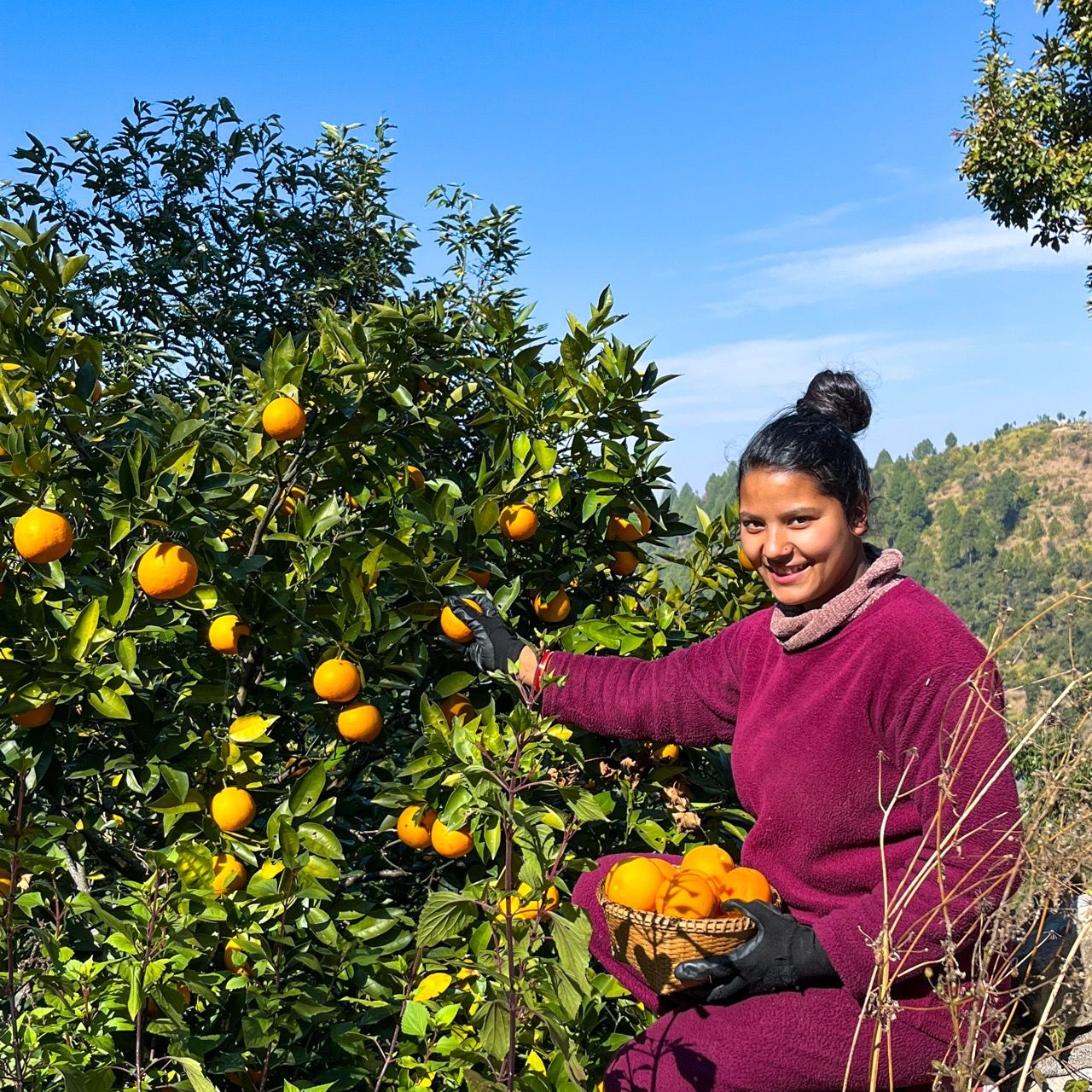
It’s why our Chunky Strawberry Preserve tastes as if someone has just cooked down fresh berries for you, and why our Citrus Marmalade carries both the sweetness and gentle bitterness of real peel, rather than a flavouring.
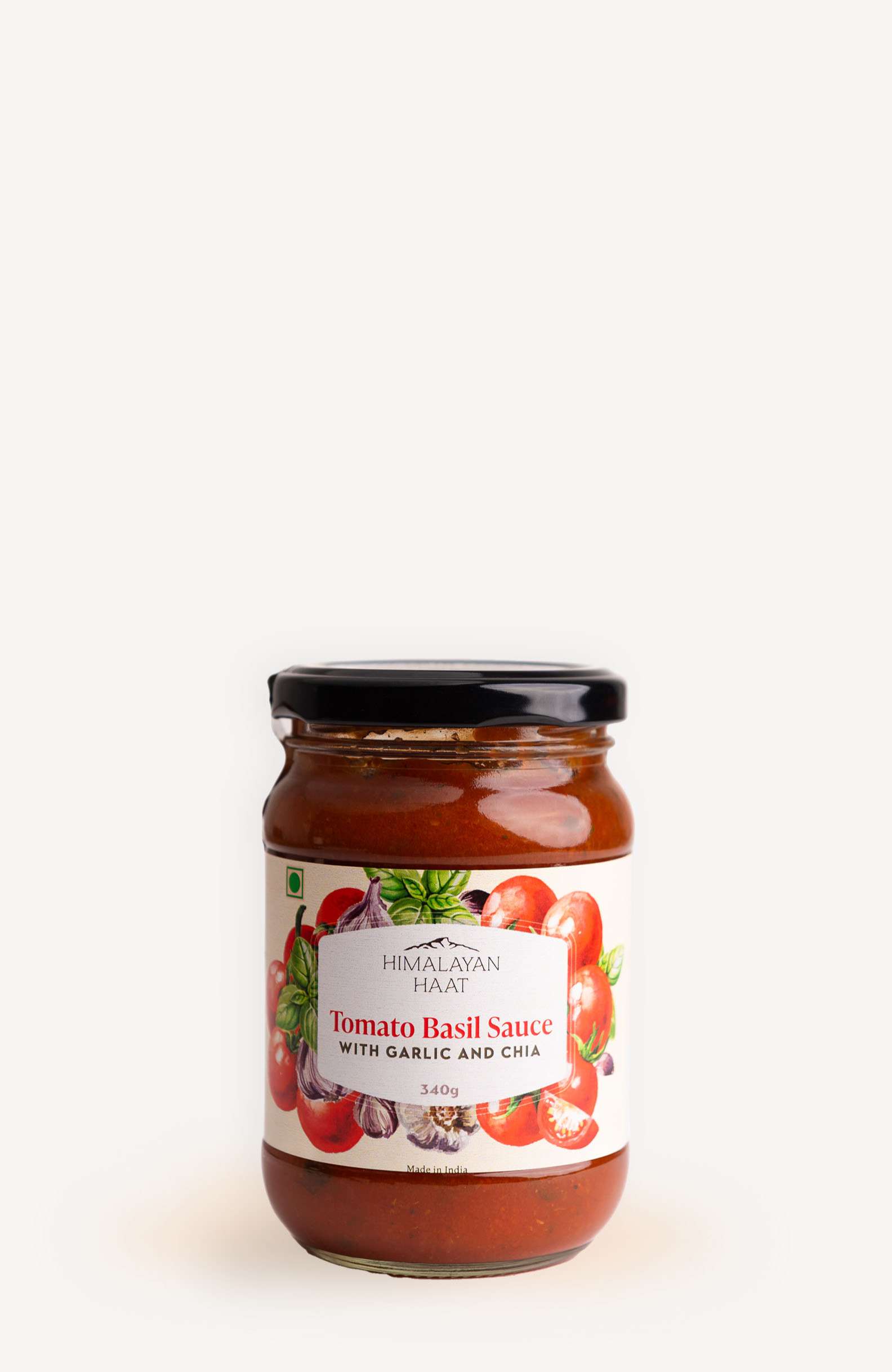
Our Tomato Basil Sauce grew out of what our pasta‑loving toddlers kept asking for: a clean, safe, delicious sauce they’d happily eat every week. It goes from jar to pan in minutes, saving you time in the kitchen while staying gently seasoned, kid‑friendly and endlessly versatile.
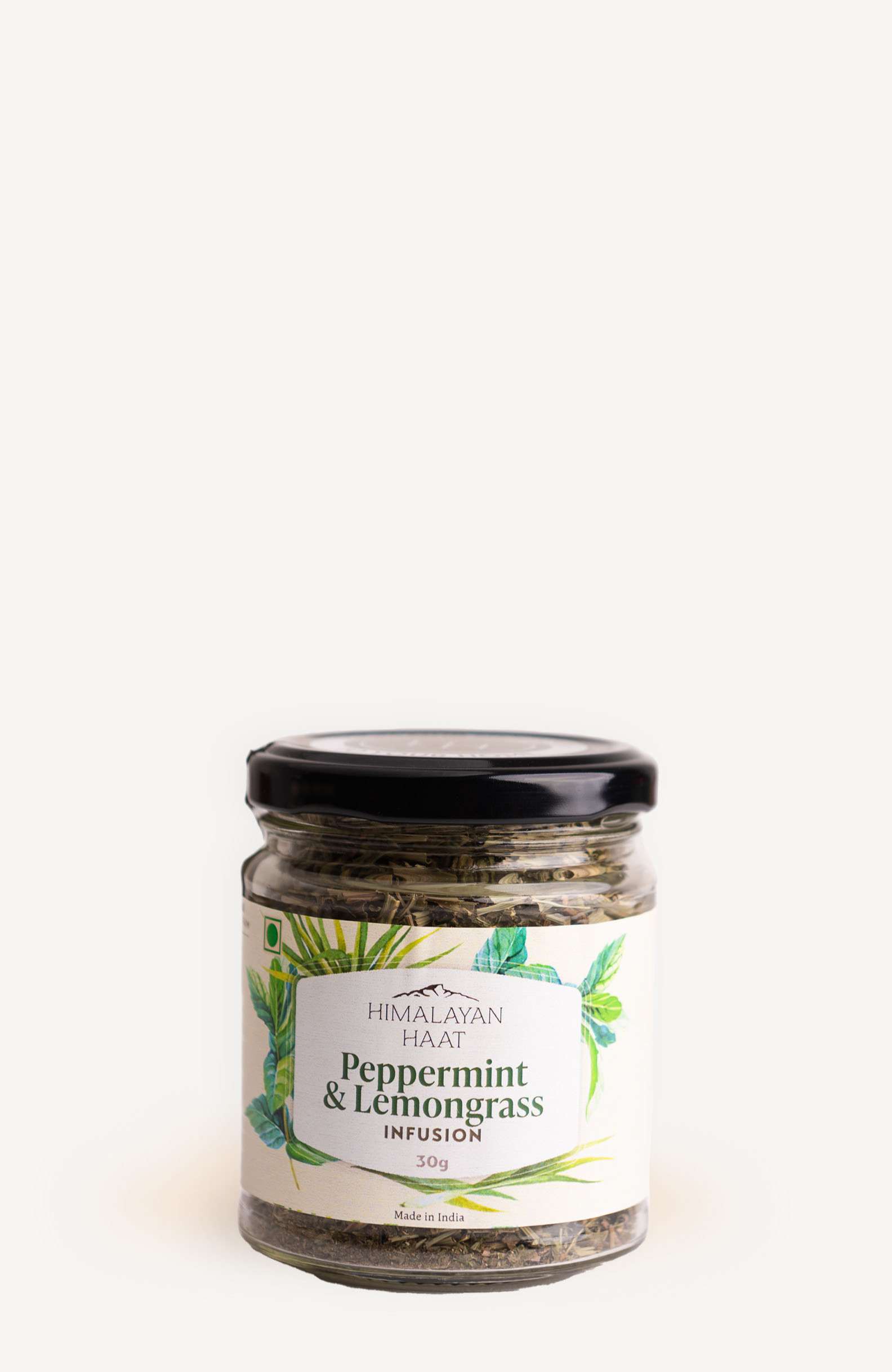
Herbs from the latest season are picked in the early hours, then carefully shade-dried and tucked away. Each herbal infusion jar smells like it’s just come in from the fields — because it has.
Who Makes Himalayan Haat Products?
Every batch begins on our farm, with what the season offers.
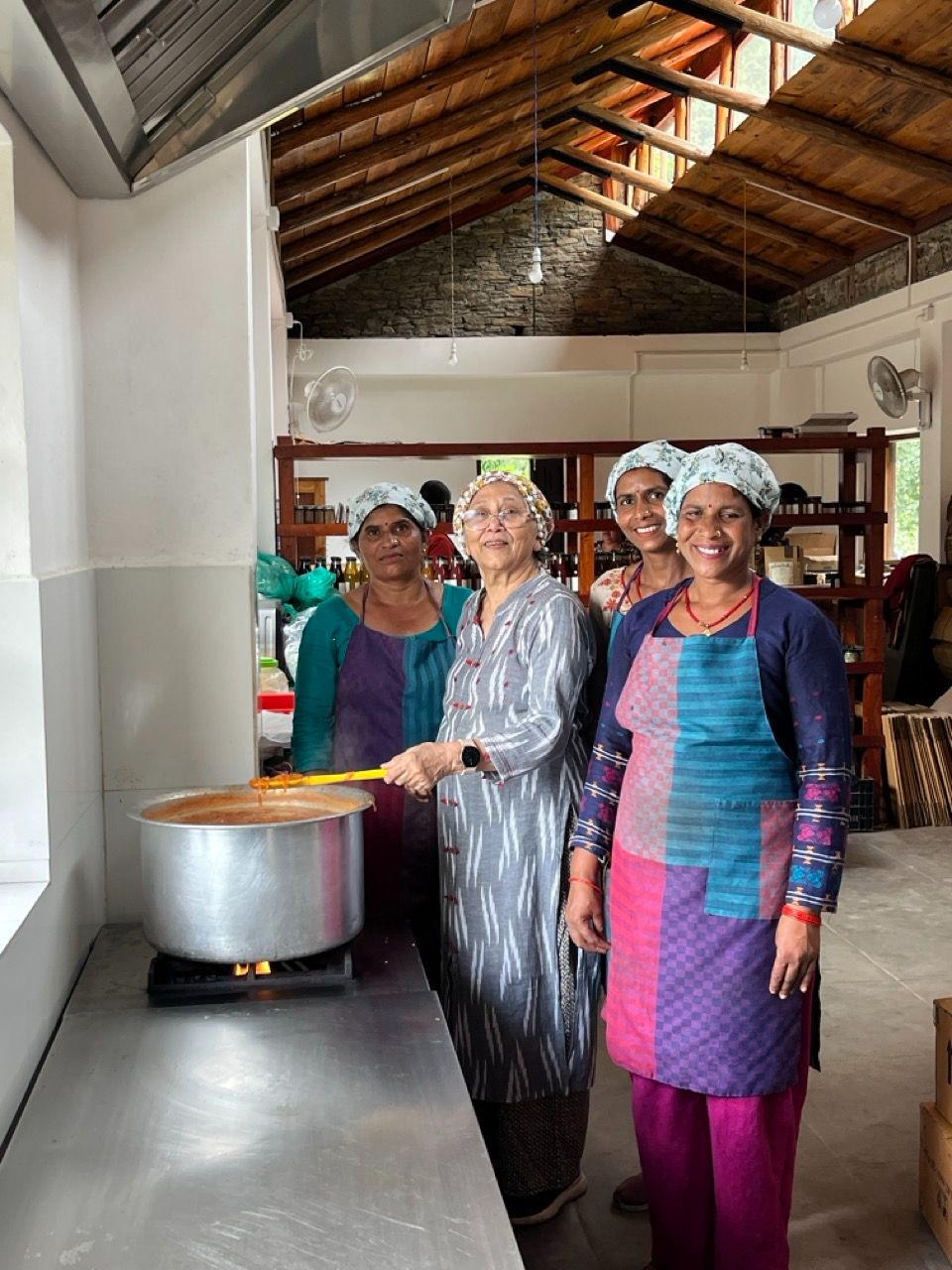
The recipes are developed and tested in our home kitchen, and then scaled carefully — not by machines, but by people who have been trained and retrained to treat each pan as if they were cooking for their own families.
Our team of local Himalayan women knows that a jam is nowhere near ready just because the timer goes off. It is ready when the bubbles look a certain way, when the spoon leaves a brief trail, or when the aroma changes.
We have taught ourselves and our team how to measure temperatures, follow food-safety protocols and handle professional equipment. But the skills that matter most are still patience and attention.
Slow cooking, stirring by hand, checking every jar, labelling and tying each bottle — all of this takes time.
It is not the fastest way to do things, but it is the most honest way we know.
Why Handmade and Small-Batch Food Matters
Handmade, small-batch production changes the way a product tastes and feels.
When you are cooking in modest quantities, you can afford to be generous with fruit, herbs and spices. You can stop a batch when the flavour is right, rather than pushing it further because a machine demands uniformity.
You can choose gentle cooking over aggressively high temperatures, helping preserve the natural colour and aroma of the ingredients. It also means we can respond to a season rather than forcing it to fit a formula.

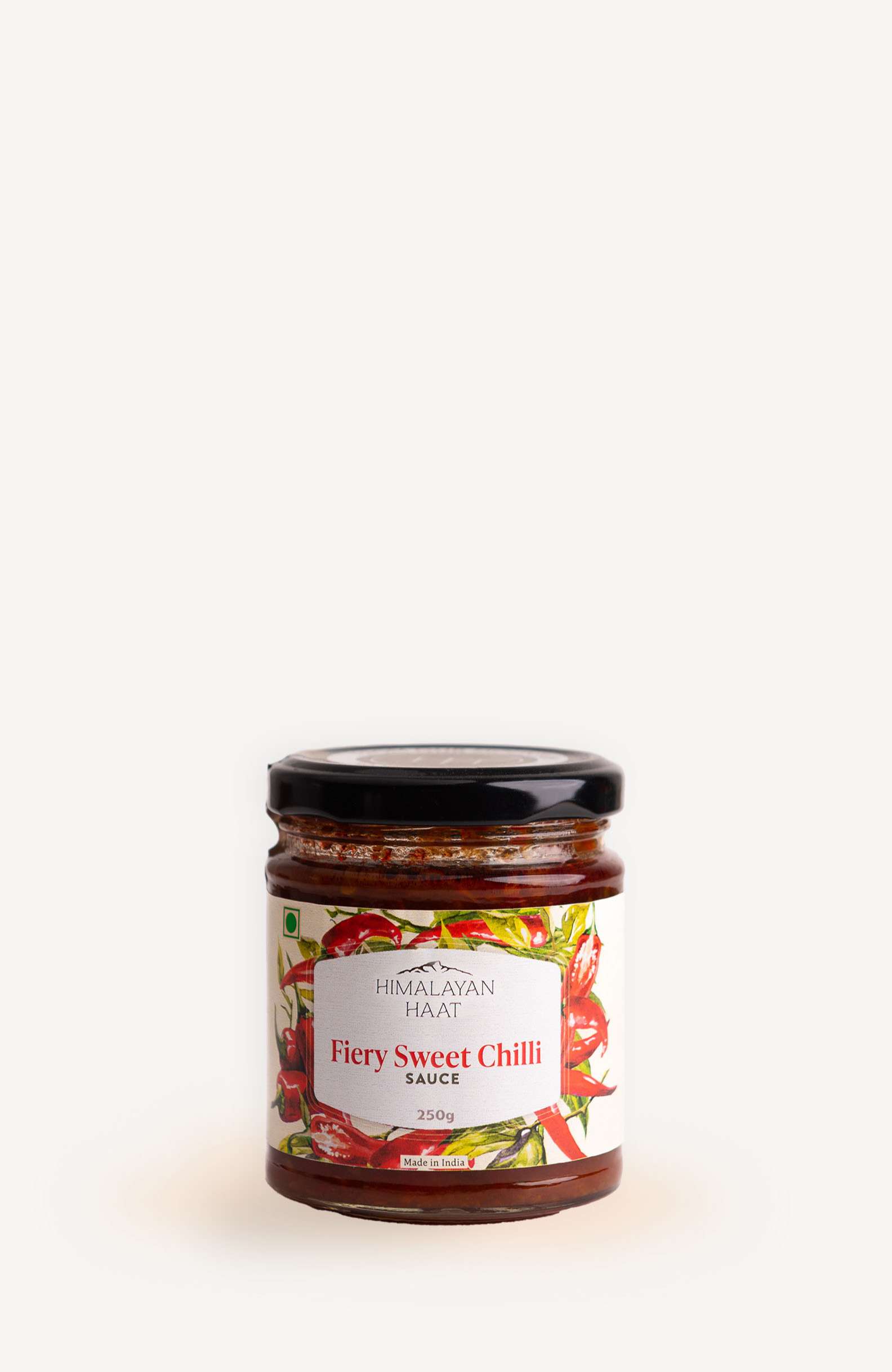
If a particular harvest gives us exceptionally fragrant apples, that will show up in our apple cider vinegar. If the chillies are especially fiery one year, the Fiery Sweet Chilli Sauce reflects that.
We know the peaches from one old tree are always sweeter, while the fruit from another needs a little longer in the pan.
Even strawberries at the very start of the season are treated differently from the ones that come later. Early berries are bright and tart; the late ones arrive softer and jammy.
Handmade small batches don’t hide these differences; they celebrate them.
That is why so many customers tell us our products taste “homemade” — because they truly are, even when they arrive to you with a professional label.
From Farm Recipe to Product on Your Shelf
The journey from a farmhouse recipe to the product on your shelf is surprisingly simple.
First, we start with the same recipes we make for ourselves — the jams, chutneys, herbal tea blends and vinegars that sit in our own pantry.
Next, we test them in slightly larger quantities, making sure that flavour and texture stay true even when we scale up. An exercise that sometimes takes over a year!
Then comes the less glamorous but essential work: choosing glass bottles and jars, figuring out how to seal each product so it remains safe without artificial preservatives, sending a few tasters to loyal customers and friends for feedback, and doing appropriate food-safety testing.
Finally, designing and printing labels,
Only when a recipe behaves well at every stage — cooking, bottling, tasting, storing and travelling — does it earn its place in our product range.
So when you pick up a jar of Himalayan jam or a bottle of raw apple cider vinegar from us, you are not simply buying something off a shelf.
You are taking home a little piece of our farm kitchen: the abundance of the harvest, the slow cooking, the care of the women who stirred that batch, and the years of learning that make it both homely and professionally made.
From Our Farm Kitchen to Your Home
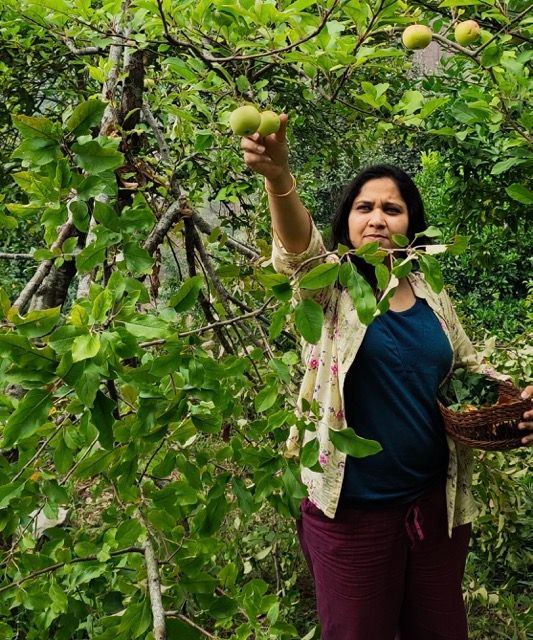
For us, making food has always been about more than creating a product.
It is about finding a useful place for what the land gives us, reducing food waste, creating meaningful work, and sharing the flavours of our corner of the Himalayas beyond the farm.
What began with a few homemade recipes has grown into a range of small-batch Himalayan food products, from fruit preserves and chutneys to sauces, coolers, apple cider vinegar and herbal infusions. The recipes may have travelled further than they once did.
But their starting point remains the same:
A farm. A harvest. A kitchen. And people who care about what goes into every jar.